AI-powered medical diagnosis assistant for healthcare providers struggling with diagnostic delays, human error and limited specialist access that impacted patient outcomes and care quality.
The platform empowers providers to make faster, more accurate diagnoses in minutes instead of hours, expanding access to specialist-level insights without requiring additional specialists.
Healthcare organizations faced diagnostic errors costing substantial amounts annually in malpractice claims and patient harm. Limited specialist availability created extended wait times, while rural and underserved areas lacked access to specialist expertise.
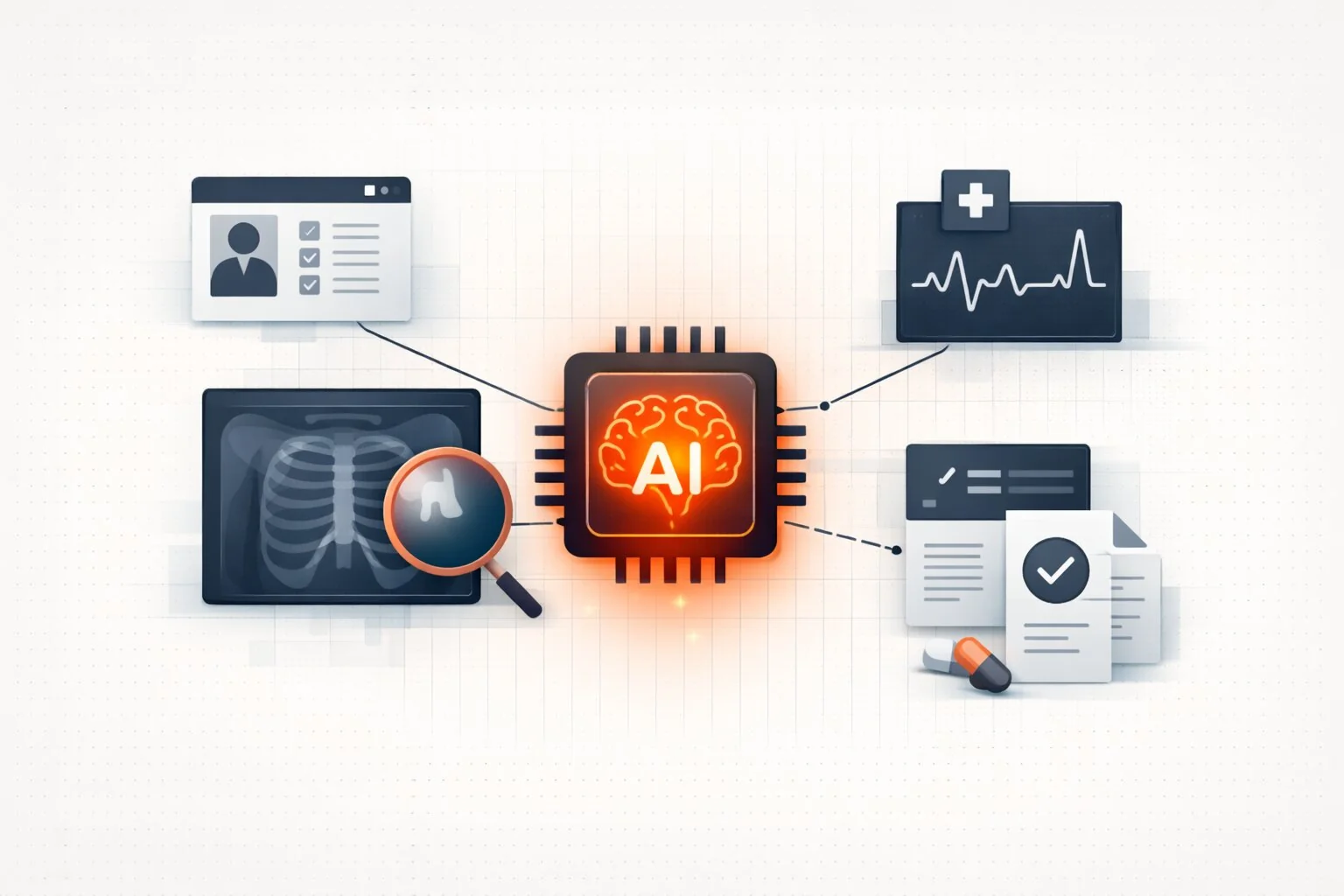
AI first diagnostic platform that analyzes symptoms, medical images, and patient history to provide diagnostic suggestions, risk assessments, and evidence-based recommendations in real-time.
The platform was designed to be scalable, accurate, and clinically integrated.
The platform delivered measurable improvements in diagnostic quality and efficiency from initial deployment.
This case study demonstrates our ability to:

Partner with our expert team for clear guidance, reliable solutions and faster, high quality delivery from idea to launch.
Multi-location hospital system digitizing records, billing & bed tracking, cut check-in time, enable real-time data access, and ensure secure, compliant operations.
Read case study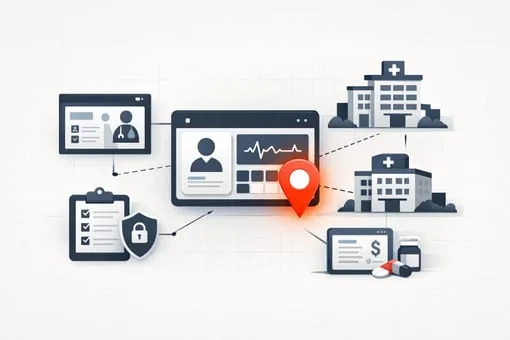
AWS migration with container orchestration, enable unlimited scaling, improve security, cut downtime, and deploy faster with auto-scaling cloud infrastructure.
Read case study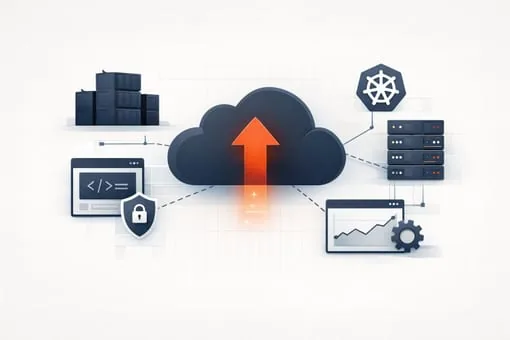
AI lead magnet platform, create personalized content in minutes, boost conversions, cut costs, and launch campaigns faster with automated, data-driven marketing workflows.
Read case study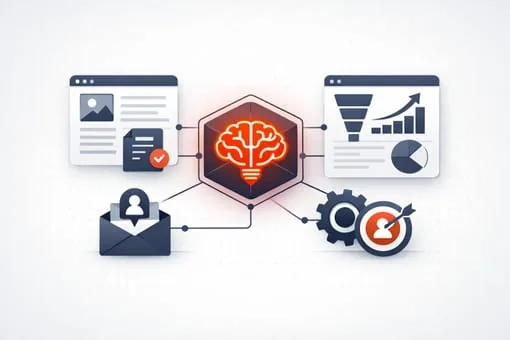
Real-time fleet tracking with smart routing, cut planning from 2h to 30m, boost on time deliveries to 82%, and manage trucks, costs, and routes in one platform.
Read case study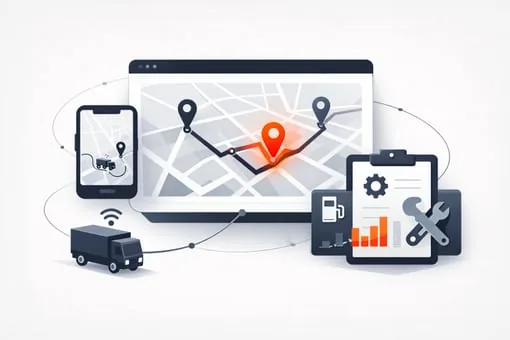
BI platform unifying ERP, CRM & marketing data, replace manual reports with real-time dashboards, cut reporting time 80%, and enable self-service insights.
Read case study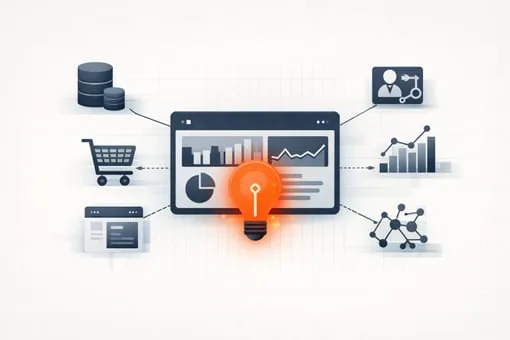
Centralized API gateway platform with security & monitoring, reduce incidents, speed integrations, and boost developer productivity with unified API management.
Read case study