Hospital Management System

Logo
appstonelab
Hospital Management System

Overview

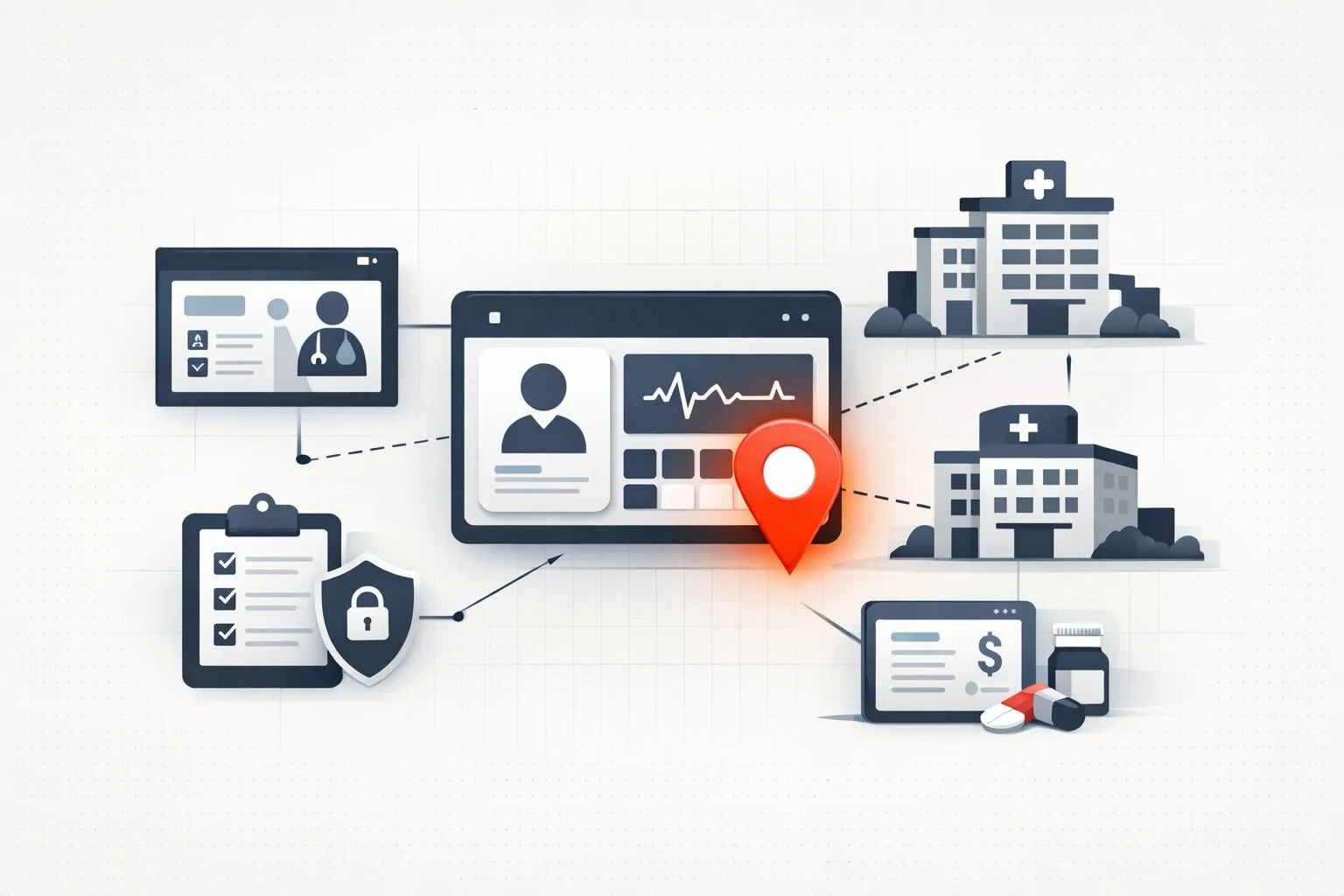
We built a hospital management system for a large hospital with over 200 beds across two locations that was running on paper registers and Excel spreadsheets. The hospital needed to track patient visits digitally, manage doctor and nurse schedules across both sites, handle billing and payments, and keep all medical records accessible from either location instead of scattered across filing cabinets at each site.

After launch, the front desk at both locations stopped maintaining paper registers for patient check-ins. Doctors logged into the system from either location to see their appointment schedule and patient histories. Nurses updated vitals and medications directly in patient profiles, visible to staff at both sites. The pharmacy at each location tracked medicine dispensing digitally, and the billing department generated invoices from the system instead of writing receipts by hand. Hospital administration could see real-time bed occupancy, patient count, and revenue across both locations.

Results

  • Front desk at both locations checks in patients digitally in under a minute
  • Doctors see patient histories from either location without calling the other site
  • Nurses at both locations see the same patient medication and vitals records
  • Administration monitors bed occupancy across 200 beds in real time
  • Pharmacy at each site tracks inventory and transfers stock between locations

The Challenge

The hospital operated two locations with over 200 beds total, but each site maintained its own paper registers and filing systems. When a patient visited the second location, staff had no access to records from the first location without phone calls. Doctors kept personal notebooks because there was no way to see patient histories across sites. Managing bed occupancy across 200 beds relied on phone calls between locations. The pharmacy at each site counted medicine stock manually, and one location often ran out while the other had surplus. Billing staff wrote receipts by hand and reconciled payments in Excel at day’s end, with no consolidated view of revenue across both locations.

As a government hospital, they needed to comply with national health data regulations and patient privacy laws. Paper records made it difficult to prove compliance during audits. There was no way to track who accessed patient files or log changes to medical records.

Key Pain Points

  • Staff at one location unable to access patient records from the other location without phone calls
  • Doctors traveling between locations carried patient notes in briefcases, risking data loss
  • Administration tracking 200 beds across two sites using whiteboards and phone updates
  • Pharmacy at one location running out of medicines while the other location had stock
  • Billing staff at each location reconciling payments separately, no consolidated revenue view
  • Patients visiting the second location had to provide their medical history again
  • No audit trail proving who accessed patient files, creating compliance risks
  • Government audits required weeks of manual work tracing paper records

Our Solution

We built a hospital management system that connects both locations on a single platform, handling patient registration, doctor and nurse workflows, appointment scheduling, bed management, pharmacy operations, lab test tracking, and billing with real-time synchronization across sites.

Core Capabilities

  • Patient registration – Front desk at either location creates patient profiles instantly available at both sites
  • Multi-location access – Doctors and nurses see patient records from both locations without phone calls or paper transfers
  • Bed management – Real-time view of all 200 beds across both locations with occupancy status and patient assignments
  • Pharmacy management – Track medicine stock at each location, transfer inventory between sites, and get alerts when stock is low
  • Billing and payments – Generate itemized bills at either location with consolidated revenue reporting across both sites
  • Security and compliance – Complete audit trails, role-based access control, and encrypted data meeting government hospital regulations

System Architecture & Technical Approach

We built this as a secure web application accessible from any computer at either location, protected by Cloudflare for DDoS protection and threat mitigation. Both locations connect through an encrypted VPN tunnel ensuring secure data transmission. Patient data is stored in a centralized database with encryption at rest and in transit, meeting government hospital data protection requirements. Role-based access control ensures doctors see clinical information while billing staff see only payment details, with complete audit logging for compliance.

Architecture Highlights

  • Multi-location architecture – Centralized database with encrypted VPN connection between both hospital locations for secure real-time data access
  • Security layers – Cloudflare protection against DDoS attacks, SSL/TLS encryption for all data transmission, and database encryption at rest
  • Compliance framework – Complete audit trail logging every user action, automatic backup systems, and role-based access meeting government hospital regulations
  • Bed management dashboard – Live view of all 200 beds across both locations with color-coded occupancy status
  • Patient data protection – Encrypted patient records with access controls ensuring only authorized staff view sensitive medical information

Business Impact

Both locations stopped maintaining separate paper registers and started sharing patient data instantly. Doctors working at both locations could pull up any patient’s history regardless of where they were treated. The pharmacy team coordinated stock between locations and reduced waste. Administration tracked all 200 beds from a single dashboard instead of calling between sites.

Measurable Outcomes

  • Patient check-in at either location dropped from about five minutes to under a minute
  • Doctors eliminated phone calls to the other location for patient records
  • Bed occupancy across 200 beds visible in real time instead of phone updates
  • Pharmacy stock-outs at one location while the other had surplus became rare
  • Administration saw consolidated revenue and patient count across both sites instantly
  • Government compliance audits shortened from weeks to a few hours using automated audit reports
  • Zero security breaches since deployment with Cloudflare protection blocking threats

Why This Worked

  • Multi-location architecture eliminated phone calls and paper transfers between sites
  • Security-first design with Cloudflare, encryption, and audit trails met government hospital compliance requirements
  • Patient records captured at one location instantly available at the other location
  • Role-based access control ensured only authorized staff accessed sensitive patient data
  • Bed management dashboard gave real-time view of all 200 beds across both sites
  • Automated audit logging made government compliance audits straightforward instead of painful

Tech Stack

  • Frontend: React with TypeScript for web interface
  • Backend: Node.js with Express
  • Database: MYSQL with encryption at rest for patient records, appointments, and transactions
  • Security: Cloudflare for DDoS protection and threat mitigation, SSL/TLS encryption, VPN tunneling between locations
  • Infrastructure: Centralized on-premise server at main location with encrypted VPN to second location
  • Monitoring: Automated audit logging, backup systems, and compliance reporting tools
  • Other: Receipt printer integration, PDF generation for bills and reports, bed management dashboard

Key Takeaway

This case study demonstrates our ability to:

  • Build multi-location hospital management systems connecting 200+ beds across multiple sites
  • Implement security-first architecture with Cloudflare, encryption, and compliance frameworks for government hospitals
  • Design role-based workflows with complete audit trails meeting healthcare data regulations
  • Create secure VPN-connected systems with encrypted data transmission and storage
  • Deliver compliant solutions protecting patient privacy while eliminating paper-based operations
Hero Image

Ready to BuildYour Next Big Project?

Partner with our expert team for clear guidance, reliable solutions and faster, high quality delivery from idea to launch.

Get In Touch

Related Case Studies

View all

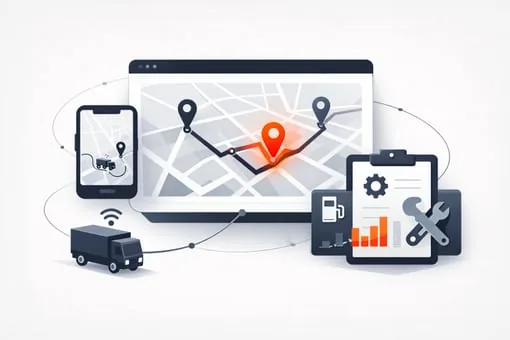
Enterprise Transport Tracking & Route Optimization

Real-time fleet tracking with smart routing, cut planning from 2h to 30m, boost on time deliveries to 82%, and manage trucks, costs, and routes in one platform.

Read case study
Use Case

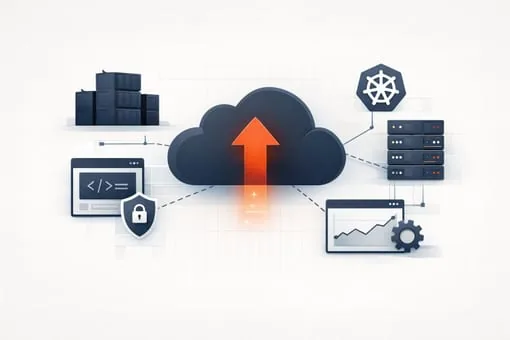
Cloud Migration & Infrastructure Optimization

AWS migration with container orchestration, enable unlimited scaling, improve security, cut downtime, and deploy faster with auto-scaling cloud infrastructure.

Read case study
Use Case

Business Intelligence & Analytics Platform

BI platform unifying ERP, CRM & marketing data, replace manual reports with real-time dashboards, cut reporting time 80%, and enable self-service insights.

Read case study

Use Case

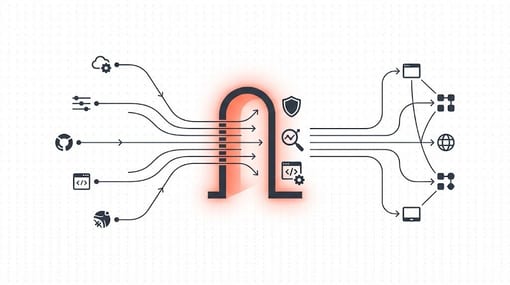
API Management & Gateway Platform

Centralized API gateway platform with security & monitoring, reduce incidents, speed integrations, and boost developer productivity with unified API management.

Read case study
Use Case

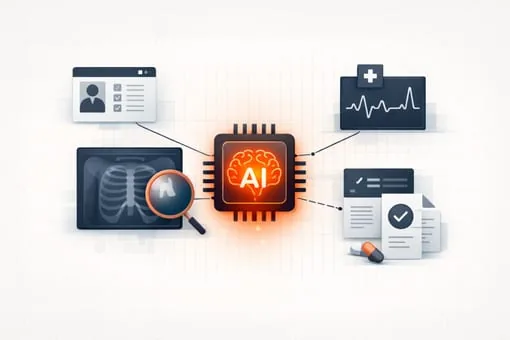
AI Diagnosis Assistant for Healthcare Providers

AI diagnostic assistant for healthcare, deliver faster, accurate diagnoses, reduce errors, and provide real-time, specialist-level insights within clinical workflows.

Read case study
Use Case

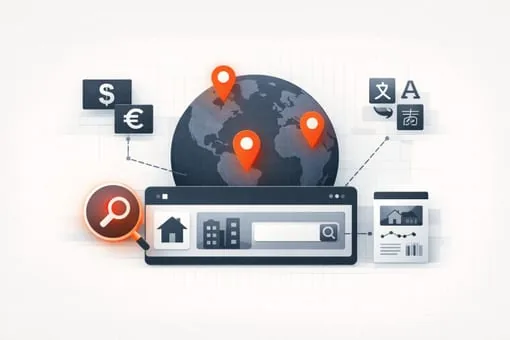
Property Discovery Platform for International Markets

AI property discovery platform aggregating 40+ sources, cut research time 90%, boost match accuracy to 85%, and enable multilingual, data-driven real estate decisions.

Read case study

Use Case

AI Powered Lead Magnet Automation Platform

AI lead magnet platform, create personalized content in minutes, boost conversions, cut costs, and launch campaigns faster with automated, data-driven marketing workflows.

Read case study
Use Case